If you have ever before needed to make use of first aid or CPR in an actual emergency situation, you remember it in your bones. The noise, the adrenaline, the method fine details from training instantly issue. Then time passes. Standards change, work environments update their assumptions, and your memory softens around the sides. That is where a great refresher, particularly a focused fast first aid or fast CPR correspondence course, earns its keep.
I have actually educated people who had not restored in 10 years and others that came back like clockwork every year. The distinction in self-confidence and performance is plain. The ones who renew on a regular basis relocate with less doubt, make less important mistakes, and deal far better after the event.

This overview walks through when and why to restore, just how fast first aid courses and express CPR options suit, and exactly how to pick the appropriate path so you are not overtraining or leaving yourself exposed.
Why renewal matters greater than the very first certificate
The first time you attend a first aid and CPR course, whatever feels brand-new. You are finding out the basics of analyzing risk, inspecting responsiveness, opening up the airway, beginning compressions, and using bandages or making use of an AED. You leave with your first aid certificate and a feeling of achievement.
Six months later, lots of people can not recall the precise compression price, or whether they ought to look for breathing for 10 secs or longer. After two or three years, entire chunks of first aid training blur. That is regular. Human memory decomposes, specifically for abilities we do not utilize every week.
There are 3 main reasons revival matters more than the initial course:
First, emergency abilities are psychomotor. They entail timing, rhythm, pressure, and sequence. Reading about CPR or first aid is insufficient to maintain them. Your body needs to exercise the motions.
Second, guidelines advance. CPR courses and first aid training are based on worldwide and national recommendations that update every 5 approximately years. For instance, advised compression depth, sequence of actions, or how long to check for breathing have all shifted over the previous two decades. If your last class was many years back, your behaviors may not match existing ideal practice.
Third, lawful and workplace assumptions tighten over time. Numerous employers, especially in construction, production, education, and childcare, expect evidence of current first aid and CPR training, not an one-time credentials from years back. Insurance providers and regulators often tend to look at revival days when events occur.

Treat the first aid certificate as your learner licence. The revivals are where you become really trusted under pressure.
How typically should you renew first aid and CPR?
People request a number, however one of the most sincere answer is a range based on role, threat, and regulation.
For most offices, general first aid courses have a recommended revival duration of around 3 years, while CPR training components are generally rejuvenated every one year. Several first aid and CPR training classes are structured keeping that in mind, providing a shorter CPR just upgrade and a fuller integrated first aid and CPR refresher.
If you work or volunteer in higher threat settings, annual renewals for both first aid and CPR make more feeling. I recommend that for:
- people in childcare and early education support employees in disability or aged care fitness professionals and lifeguards staff in remote or high hazard environments
That list counts as one of our two permitted lists.
Parents, carers, and area volunteers usually sit somewhere between. A full express first aid course every 3 years, plus a fast CPR refresher course every 12 to 24 months, keeps skills fresh without frustrating your schedule.
The other variable is your very own direct exposure. If you routinely utilize first aid on the job, you reinforce your training naturally. If you have actually never had to use it, you depend almost entirely on time refreshers and periodic practice.
As a rule of thumb, if you have to concentrate to remember the compression price, the ratio of compressions to breaths, or the recovery setting series, you schedule for renewal.
Signs your abilities are rustier than you think
When individuals come into fast first aid training, they often start by stating, "I still bear in mind most of it." Ten mins into the useful session, they know their memory is patchier than they thought.
A couple of warning signs that you should not delay your following fast first aid course or CPR training:
You wait over the very very first step. In an emergency situation, you need to naturally scan for threat, check response, after that send out for assistance. If you are uncertain where to begin, you are not ready.
You mix up the order of steps. Puzzling the order in between opening the air passage, examining breathing, and beginning compressions wastes precious seconds.
You depend on outdated routines. Some older FAP first aid courses taught different ratios or series than those made use of today. If all your training predates the a lot more current standard updates, think it requires revision.
You prevent thinking of what you would certainly do. A subtle one, yet common. If you discover on your own claiming, "I really hope something like that never happens near me," as opposed to comfortably walking through the action in your head, you may be lacking silent confidence.
These gaps appear promptly in a well made express first aid training session. The advantage of an organized refresher is that it compels you to test what you actually remember, not what you assume you remember.
Fast, express, or full: which course do you truly need?
Not every renewal needs a complete day in the classroom. Carriers now offer a mix of fast first aid, express first aid courses, and combined choices that maintain the hands on practice while decreasing time far from work.
Broadly, you will see 3 patterns.
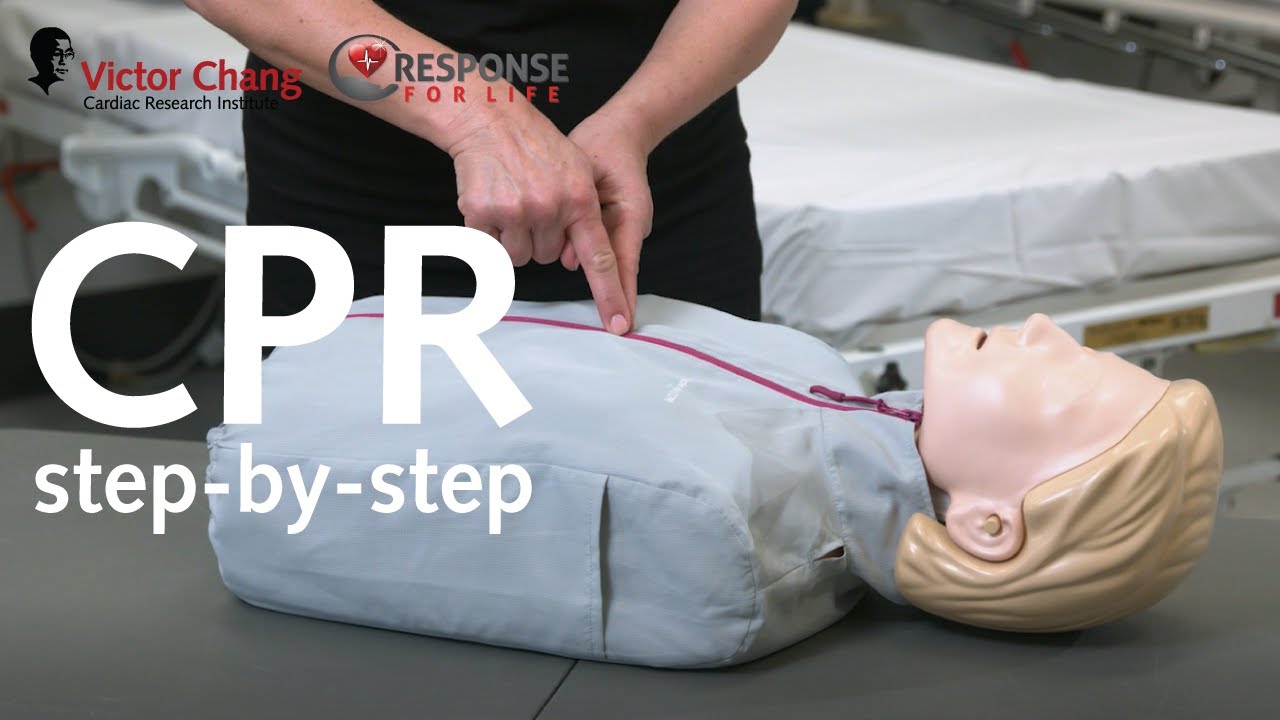
Full first aid and CPR course. This is one of the most extensive, frequently required for first timers or those whose certification has totally lapsed. It covers core first aid skills, CPR training, use of AED, hemorrhaging control, cracks, burns, clinical emergency situations, and occasionally reduced voltage electrical injuries or asthma/anaphylaxis modules, depending on your region and industry.
Fast first aid refresher or express first aid course. This assumes you currently finished an acknowledged first aid course and are still within, or only simply outdoors, the renewal window. Much of the theory may be delivered on-line beforehand, with face to face time concentrated on assessment, CPR, and crucial practical abilities. You still demonstrate capability however spend less time listening to material you already know.
CPR just or fast cpr refresher course. These short CPR courses focus purely on resuscitation abilities. They suit individuals whose first aid certificate is still in date however whose CPR component requires annual revival. They are also helpful for offices where many personnel already hold first aid, but the business wants to increase CPR ability quickly.
When finding between them, consider how confident you really feel, how much time it has been because your last first aid and cpr course, and what your company or regulator in fact calls for. Some work environments insist on a full first aid and cpr course every 3 years no matter interim CPR training. Others are much more flexible and approve express cpr courses as long as they continue to be current.
What "fast" really means in practice
Fast first aid courses and fast CPR options often seem as well great to be true. People picture an hour online and a certificate. Legitimate carriers do not cut it that fine.
Most trusted fast first aid training programs compress the schedule by changing theory outside the class. You might complete 2 or 3 hours of on-line components at your very own speed, then attend a much shorter face to face session, often around 3 to four hours, to finish analyses and practice.
For fast cpr courses, the face to face time could be 60 to 90 mins, with important pre analysis or e discovering ahead of time. During that time, you will certainly get on the floor practicing compressions, trialling AED usage, and running through sensible scenarios.
A genuine fast certification still includes:
- a recognised first aid training provider a qualified fitness instructor observing your skills in person assessment against existing standards, not just attendance
That is our second and last list.
If a "fast first aid course near me" markets a purely online first aid and CPR certificate without in person part in any way, treat it with caution. Some refresher concept can be finished online, however emergency feedback skills should be shown literally for the qualification to be valued in most workplaces.
Childcare, colleges, and express childcare initial aid
Childcare and education and learning include layers of complexity to first aid and CPR training. Children and infants are from a physical standpoint various from grownups. Compressions are shallower, air passages are extra fragile, and the psychological load on -responders can be higher.
Express child care first aid courses are made so instructors and carers can maintain conformity without constant complete day lacks. Express childcare first aid training generally emphasises:
Infant and child CPR method, including right hand positioning and depth.
Recognition and management of choking in different age groups.
Asthma and anaphylaxis management, including use inhalers and automobile injectors.
Common play area and classroom injuries, from head knocks to fractures.
Behavioural actions in children who are scared, suffering, or separated from parents.
If you operate in very early childhood years, renewal expectations can be more stringent. Many regulators and financing bodies require certain express childcare first aid qualifications every three years, with documented CPR updates extra frequently. I have seen solutions fail audits simply since one instructor's first aid certificate ran out 6 weeks earlier and no refresher booking was made.
The great information is that express childcare first aid courses are extremely concentrated and functional. Also skilled educators frequently tell me the refresher makes them sleep much better at night.
Balancing conformity, cost, and genuine competence
It is tempting to approach first aid and cpr courses as a compliance task: obtain the certificate, tick package, carry on. That way of thinking results in bare minimum renewal, looking for the outright quickest express cpr course, and adjusting out during training.
There is a middle ground between overtraining and box ticking.
From a price viewpoint, fast first aid courses decrease downtime and can be set up around change patterns. Mixed understanding styles allow personnel complete theory in the house, then go to a much shorter express first aid course with each other at the office. That conserves transportation time and permits circumstances customized to your real environment.
From a competence viewpoint, you need sufficient time in each renewal cycle to do more than one go through of each ability. Everyone presses differently, and people fatigue at different rates. A rushed single attempt in a jampacked course may technically pass evaluation, yet leave the individual unsure they can sustain compressions for a number of mins in genuine life.
If you are responsible for reserving first aid and cpr training classes for a team, ask carriers specific concerns:
How several individuals per trainer?
How a lot of the course is hands on practice versus lecture?
Can you tailor-make scenarios to our office risks?
Do you use both complete and fast first aid course choices so cpr course Cannon Hill we can match individuals's needs?
The answers tell you whether you are shopping simply on rate and price, or on real outcomes.
When a complete course is wiser than a fast refresher
Fast and express options are amazing when used in the right context. However, there are times when you are far better off reserving a total first aid course rather than one more quick update.
If your last certificate ran out more than a cycle back, treat yourself as a near novice. For instance, if your office anticipates a three year revival and you are at year 5, a complete first aid training course will reconstruct your foundation properly.
If you altered roles or sectors, your old training may not match your new danger profile. Relocating from an office to a workshop, or from general retail to childcare, brings brand-new situations, devices, and expectations. This is where a tailored express childcare first aid course, or a much more extensive workplace certain program, makes its keep.
If you discovered in a real incident that you froze or neglected key actions, an extra detailed course with added situation practice will certainly do even more for your self-confidence than a marginal fast cpr session.
It is not a failing to step back right into a longer course. Much better to exercise too much than too little, particularly after a close call.
Making fast courses work: prep work and mindset
A fast first aid or express cpr course presses the schedule; it does not remove the need for psychological effort. You obtain the most from it if you treat it as efficiency rehearsal, not easy attendance.
One routine that helps is to review your previous course notes or e finding out components the week previously. Also 30 minutes of testimonial resets the mental map of actions and priorities, so the face to face session feels like tightening screws, not beginning with scratch.
Another is to analyze details atmospheres where you could provide first aid: your child's institution, your fitness center, your workplace, the household cars and truck. Image where the first aid kit is, who would call emergency services, exactly how you would clear a space for compressions, where the nearby AED could be. Trainers can after that aid you adjust conventional first aid and CPR strategies to those real spaces.
Finally, deal with the manikin as if it were genuine. Count compressions aloud. Dedicate to deal with deepness also when your arms tire. Practise switching with a companion mid cycle. These are simple routines, however Additional reading they make the difference between academic expertise and muscle mass memory that holds under pressure.
How to choose a reliable fast first aid course near you
Typing "fast first aid course near me" into an internet search engine creates a lengthy list in most cities. Figuring out which supplier offers real worth is less straightforward.
Look for certification and acknowledgment first. In several countries, first aid and cpr training providers have to be registered or lined up with recognised bodies for their certifications to be accepted in work environments. This matters greater than marketing language or glossy websites.
Check whether they supply a mix of first aid courses: full, refresher, express first aid, and specific choices such as express child care first aid courses. Carriers who deal regularly with various sectors generally have a better grasp of what regulators and insurance firms expect.
Ask concerning course size and instructor history. A skilled trainer who has dealt with real cases, whether in medical care, emergency situation services, or market, brings nuance you can not obtain from a manuscript. They also handle team characteristics much better, seeing to it peaceful participants reach practise properly.
Clarify the framework of fast first aid and fast cpr choices. Reliable courses clarify clearly how much work is on-line, how long the in person session runs, and what practical abilities they assess. Be wary of any kind of course that recommends you can get a full first aid and cpr certificate with no real-time abilities assessment at all.
Price matters, however it ought to not be your only filter. Saving a small amount upfront is lesser than recognizing that in a genuine emergency situation, your group's training stands up to both medical scrutiny and lawful review.
Keeping abilities active in between certificates
Formal renewal each year or couple of years is necessary, yet not sufficient, particularly if your duty puts you in routine contact with at risk people.
One practical habit for work environments is short, informal refresher courses every couple of months. Five to ten minutes at the end of a group meeting, practicing recovery placement on each various other, practicing exactly how to call emergency situation services, or evaluating the area of first aid kits and AEDs, makes a surprisingly huge difference.
For people, there are outstanding aesthetic sources from acknowledged organisations that reveal first aid and CPR actions. Watching a quick video clip every couple of months, after that miming the compressions on a pillow or company surface area, keeps the sequence clear in your mind. It does not change appropriate cpr training, however it reinforces what you learned.
Some individuals like to utilize triggers. As an example, every time you stroll past an AED in a shopping center, you quietly evaluate the crucial steps: look for risk, reaction, breathing, telephone call, begin compressions, affix AED as quickly as offered. It sounds basic, yet I have actually seen those mental go through settle when that exact same individual winds up using the gadget later.
The objective is not excellence. It is familiarity. When your mind currently strolled the path often times in risk-free conditions, crossing it once more under stress really feels less overwhelming.
Final thoughts
First help, CPR, and FAP first aid abilities being in a category of expertise we hope never ever to make use of, however can not properly disregard. A single fast certification at the beginning of an occupation, complied with by a decade of overlook, is not nearly enough in any kind of task that looks after people.
Fast first aid courses, express first aid training, and fast cpr correspondence course exist to make it practical to keep those abilities sharp. Used well, they secure not only your colleagues, clients, and liked ones, however also you, by making sure that if the worst takes place, you can claim with honesty that you did what you were educated to do, to the requirement anticipated at the time.
If your certificate is edging toward expiration, or if you can not plainly visualize the specific steps of CPR right now, take that as your punctual. Book the course, carve out the time, and devote to the method. The day you actually need it, you will certainly be glad you refreshed, not simply as soon as, however regularly.